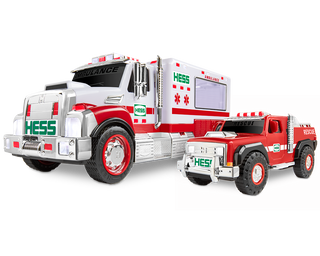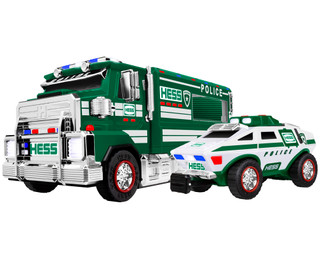
So, you're ready to turn that box of collectible toys into cash. Good. Whether you've got vintage Star Wars figures tucked away or a pristine collection of classic Hess Toy Trucks, figuring out where to sell them is the most important step to getting the price you deserve.
The market for collectibles is hotter than ever, but your success hinges on picking the right platform. It's not a one-size-fits-all game; the best place for a quick sale isn't always the best place for the highest dollar.
Table of Contents
Finding the Best Home for Your Collectibles
Deciding where to list your collectible toys can feel like a huge task, but it gets a lot easier once you know your goals. The global market for toy collectibles hit an incredible $12.5 billion in 2023 and it’s still climbing. That means there are more buyers than ever actively looking for exactly what you have.
The real trick is matching your specific items to the right audience. Think about it: a rare, mint-in-box 1964 Hess Tanker Trailer is going to attract a completely different buyer than a loose collection of modern action figures. Nailing that distinction is the first real step toward a profitable sale.
Key Factors to Consider
Before you even think about snapping photos, take a minute to weigh a few key factors. Every platform has its own vibe, its own rules, and its own audience.
- Seller Fees: This is a big one. Marketplaces take a cut for listings, transactions, and payment processing. Fees can be anything from a small flat rate to a hefty percentage of your final sale price. You need to know this number upfront.
- Audience Size and Niche: A giant like eBay gives you incredible reach, but a smaller, specialized forum connects you with dedicated fans who already know an item's true worth and are willing to pay for it.
- Sale Speed: Are you trying to make a quick flip, or are you willing to hold out for the absolute best offer? Some platforms are built for speed, while others are geared toward patient collectors.
Lining up these elements with what you want to achieve is everything. Whether you’re a longtime collector just thinning the herd or you stumbled upon a treasure in the attic, the right strategy makes all the difference. Let's walk through the top options so you can make a smart choice for every toy you sell.
Choosing the Right Marketplace for Your Collection
Once you've decided to sell, the next big question is where. This isn't about finding one perfect platform, but about matching your specific collectibles—and your personal goals—to the right audience.
Let's be clear: not every marketplace is created equal. The best place for a quick, local sale of common figures is a world away from the ideal platform for a rare, mint-in-box 1964 Hess Holiday Truck. Your choice directly impacts the final price, how fast you sell, and the kind of buyer you attract.
Some platforms offer massive exposure but come with higher fees and cutthroat competition. Others give you a direct line to passionate collectors who already know the true value of what you're selling.
This decision tree can help you quickly narrow down your options based on what matters most to you—rarity, speed, or price.
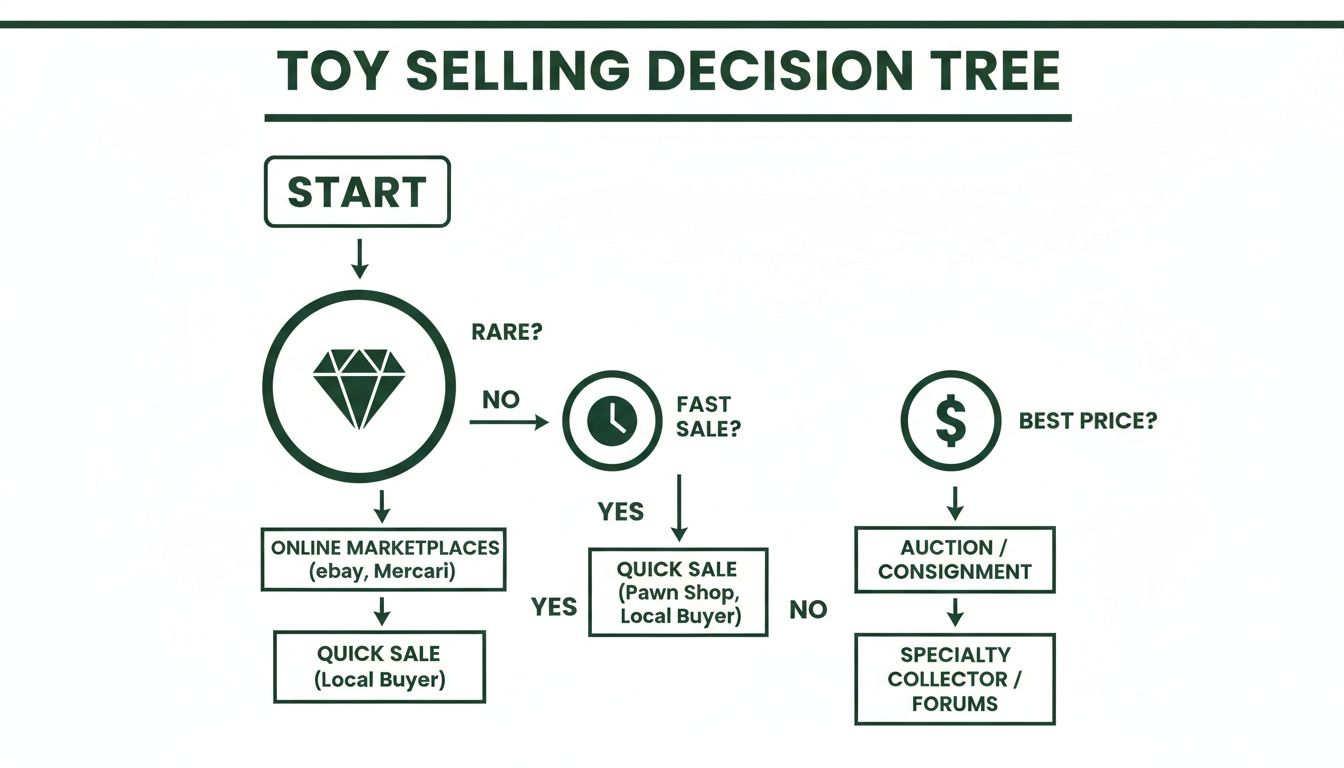
As you can see, the path is pretty straightforward. High-rarity items do best on specialized collector sites, while a quick sale or the highest possible price often points you toward major online marketplaces like eBay.
Major Online Marketplaces for Broad Reach
When your main goal is getting your collection in front of the largest possible audience, platforms like eBay, Amazon, and Etsy are the heavyweights. They attract millions of potential buyers every day, making them a solid choice for items with widespread appeal.
eBay: The Auction Giant
For decades, eBay has been the default destination for selling collectibles of all kinds. Its auction format can spark bidding wars for high-demand items, often pushing prices far beyond what you might expect. This is especially true for well-known and sought-after lines.
- Best For: High-demand collectibles, vintage items with broad recognition (like early Hess Holiday Trucks), and running auctions to discover an item's true market value.
- Pros: Massive global audience, established trust, and flexible selling formats (auction and "Buy It Now").
- Cons: Higher seller fees (typically 13-15% of the final sale price), tons of competition, and a less personal selling experience.
Amazon for New-in-Box Items
While most people think of it for new retail goods, Amazon has a surprisingly strong market for collectibles, particularly for items in new or like-new condition. If you have a stash of unopened toys or you're a registered business, Amazon's fulfillment services can even handle the shipping for you.
- Best For: Sealed, new-in-box modern collectibles and sellers with a consistent inventory.
- Pros: A huge, purchase-ready customer base and the option for Fulfillment by Amazon (FBA).
- Cons: Strict product condition guidelines and a more complex listing process than other sites.
Market Insight: The global toy collectibles market was valued at USD 12.5 billion in 2023 and is projected to hit USD 20.3 billion by 2032. This explosive growth is powered by online marketplaces, where vintage Hess Holiday Trucks from the 1960s have fetched anywhere from $200 to $1,500. You can find more insights on this market trend and what it means for sellers right here on our blog.
Specialized Platforms for Niche Collectors
Sometimes, a smaller, more focused audience is far more valuable than a massive one. Niche platforms are where the serious collectors hang out, share knowledge, and actively hunt for specific items to complete their sets.
Dedicated Collector Forums and Websites
For items like the Hess Mini Collection or specific limited editions, forums and dedicated collector sites are goldmines. These communities are filled with enthusiasts who get the nuances of rarity, condition, and provenance. Selling here means you're talking directly to your ideal buyer—someone who doesn't need to be convinced of your item's worth.
- Best For: Rare or highly specific items, connecting with passionate collectors, and avoiding the high fees of larger marketplaces.
- Pros: Knowledgeable buyers willing to pay a premium, lower or no transaction fees, and a strong sense of community.
- Cons: A much smaller audience, so sales can take longer. It also requires more direct communication and trust-building with buyers.
Etsy for Vintage and Handcrafted Appeal
Etsy has carved out a unique space for vintage toys (usually items over 20 years old) and handcrafted collectibles. Its audience is specifically looking for things with character, history, and a unique aesthetic. If your collection has a nostalgic or artisanal vibe, Etsy could be a perfect fit.
- Best For: Vintage toys from the mid-century to the 1990s, artisan-made toys, and items with strong visual appeal.
- Pros: A curated audience looking for vintage and unique goods, plus a more visually driven platform.
- Cons: Higher fees than forums and a focus that may not suit more modern or mainstream collectibles.
Choosing where to sell your collectibles isn't just a logistical step—it's a strategic one. To help you weigh your options at a glance, here’s a quick comparison of the top platforms.
Comparison of Top Platforms to Sell Collectible Toys
| Platform | Best For | Average Fees | Audience Reach | Sale Speed |
|---|---|---|---|---|
| eBay | Auctions, high-demand items, and reaching a global audience | 13-15% | Very High | Fast to Moderate |
| Amazon | New-in-box modern collectibles and sellers with larger inventories | 15% + | Very High | Fast |
| Etsy | Vintage toys (20+ years old), unique and nostalgic items | ~10-12% | Moderate | Moderate |
| Collector Forums/Groups | Rare, niche items and connecting directly with serious collectors | 0-5% | Low to Niche | Slow to Moderate |
| Local Marketplaces | Common items, bulk sales, and avoiding shipping hassles | 0% (for cash) | Low / Local | Very Fast |
Ultimately, your decision comes down to what you're selling and what you hope to achieve. By aligning your collection with the right marketplace, you set yourself up for a much more successful and profitable sale.
Preparing Your Collectibles for a High-Value Sale
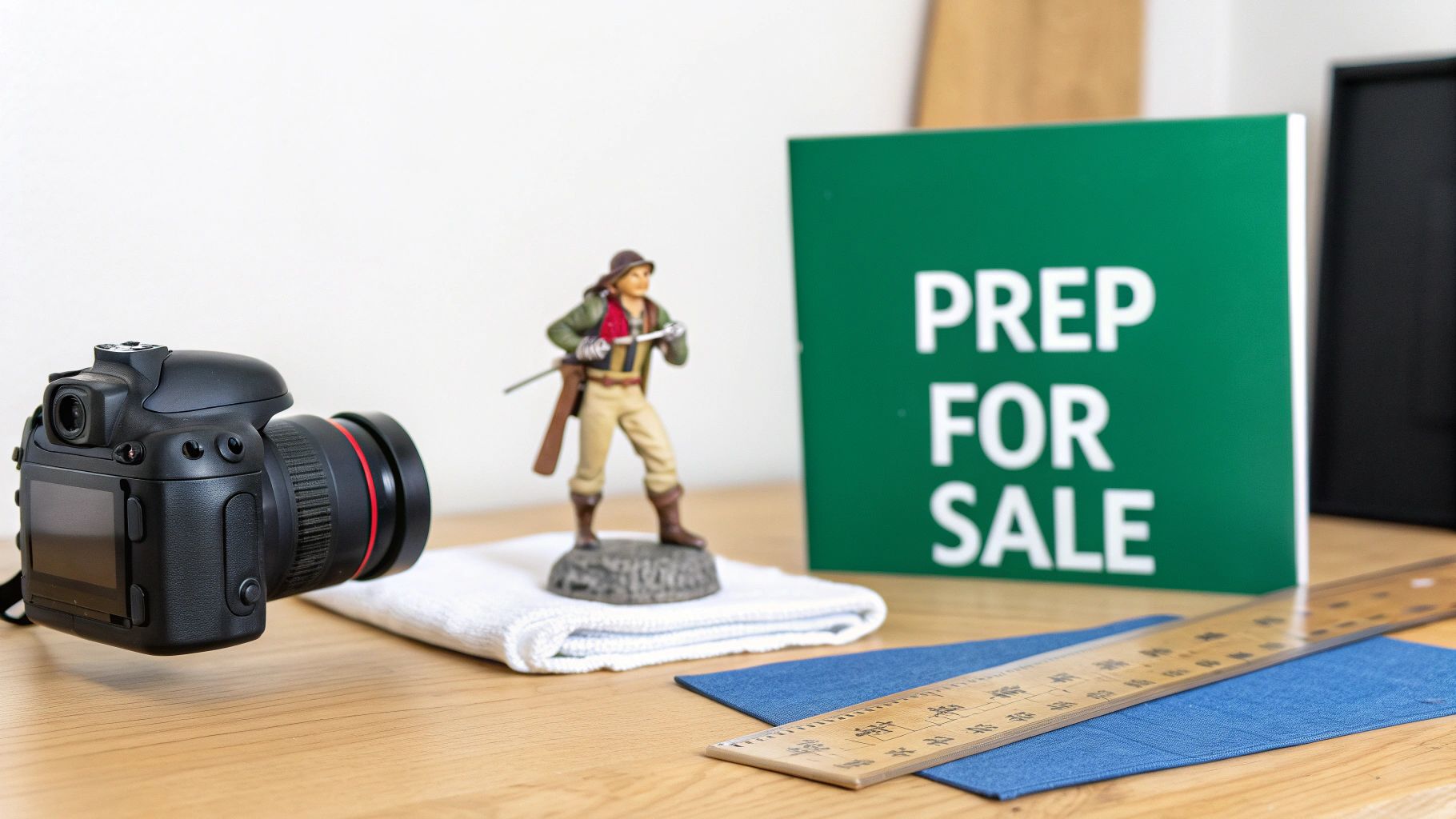
How you present your collectible can make or break a sale. In my experience, it often swings the final price more than any other single factor. Before you even think about where to sell your toys, taking the time to prep them properly tells buyers you're a serious, trustworthy seller.
This isn't about hiding flaws. It’s about showcasing your item’s true value and condition honestly and professionally. A dusty, poorly lit toy screams neglect and makes potential buyers wonder what other damage might be hiding. On the other hand, a clean, well-photographed collectible builds instant confidence and almost always leads to better offers.
Gentle Cleaning and Minor Touch-Ups
First things first: a careful cleaning. But let me be clear, the golden rule here is less is more. I've seen too many valuable pieces ruined by aggressive cleaning. You can strip paint, fade decals, or damage fragile packaging in an instant, tanking the value of your collectible. Your goal is simply to remove surface dust and grime, not to make a 40-year-old toy look like it just left the factory.
For most hard plastic or die-cast items, like a Hess Toy Truck, a soft microfiber cloth or a gentle brush is all you’ll need. If it needs a bit more, slightly dampen the cloth with plain water. Stay far away from harsh chemicals or—and this is a big one—submerging the toy.
- Do Use: A soft-bristle brush (a clean makeup or paintbrush works great) to get into those tiny crevices.
- Do Use: A dry microfiber cloth for dusting and gently polishing up any chrome parts.
- Don't Use: Abrasive cleaners, solvents, or household polishes. They will cause irreversible damage.
- Don't Attempt: Major repairs unless you're a pro. A sloppy glue job is far worse to a collector than an honest break.
Remember, authenticity often includes signs of age. Vintage collectors expect some wear. Over-restoring an item can be a huge red flag that actually diminishes its history and value.
Taking Photos That Sell
Your photos are your most powerful sales tool. Plain and simple. When someone is shopping online, they can't hold the item in their hands, so your images have to do all the heavy lifting. The good news is you don't need a fancy studio—your smartphone and a little attention to detail will do the trick.
Start with a clean, simple background. I usually use a plain white or light gray poster board. This keeps the focus right where it belongs: on the toy.
Next, lighting. This part is non-negotiable. Natural, indirect daylight is your best friend. Set up near a window but avoid direct sun, which creates harsh shadows and ugly glare. If you have to use artificial light, try to use more than one source to light the item evenly from different angles.
Mastering Condition Grading to Build Trust
Describing your item's condition accurately is absolutely crucial for building trust and avoiding headaches later. The collectibles world has its own language for grading, and using these terms correctly shows buyers you know your stuff. If you misrepresent an item, even by accident, you're setting yourself up for negative feedback and returns.
Here are the most common grading terms you need to know:
- Mint (M): Perfect, untouched, and usually still in its original sealed packaging (often called Mint in Box/MIB or Mint on Card/MOC).
- Near Mint (NM): Looks like it was just removed from the box. No signs of wear, scratches, or play. The packaging might have the slightest hint of shelf wear.
- Excellent (EX) or Very Good (VG): An item with very light play wear—maybe a tiny scuff or a paint fleck you have to look for. It's clearly been handled but was well taken care of.
- Good (G): Shows obvious signs of being played with. You'll see noticeable scratches, some paint loss, or maybe a loose joint, but it's all still intact.
- Fair/Poor (F/P): This piece has significant damage, missing parts, or heavy wear. These are typically sold for parts or for someone to take on as a restoration project.
If you want a great visual guide for what these conditions look like on real items, check out the Hess Truck Collectors gallery. Seeing examples across different decades really helps you calibrate your eye and grade your own collection more accurately.
When to Consider Professional Authentication
For those truly rare or high-value items, getting them professionally authenticated can be a game-changer. Services like the Action Figure Authority (AFA) or the Collectible Grading Authority (CGA) will grade your toy and seal it in a tamper-proof acrylic case.
Yes, this service costs money. But for the right item, it can dramatically increase the final sale price. An authenticated grade removes all doubt for a serious buyer, justifying a premium and attracting the kind of collectors who are willing to pay top dollar. I'd seriously consider this for any item that consistently sells for several hundred dollars or more—the investment almost always pays for itself.
Crafting Listings That Attract and Convert Buyers
You've got your collectibles cleaned, graded, and ready to go. Now comes the part where the real magic happens: creating a listing that actually sells. A great listing is more than just a few photos and a price tag. It’s your handshake, your sales pitch, and your best shot at standing out in a sea of other sellers.
This is where you need to start thinking like a buyer. What words would they use to find your Hess truck? What details will make them feel confident enough to hit "buy"? A well-crafted listing tells a story, builds trust, and makes your item feel like the one they have to own.
Writing Titles That Capture Attention and Clicks
Your title is the most important piece of real estate in your entire listing. Period. It's the first thing a buyer sees in search results, and it's what determines whether they click on your item or just keep scrolling.
The secret is to pack it with descriptive, accurate keywords. Collectors don’t search for "toy truck." They search with incredible specificity, and your title needs to match that.
Make sure you include these key elements:
- Brand and Model Name: "Hess Toy Truck"
- Year of Release: "1988 First Toy Truck with Car"
- Condition: "Mint in Box" or the common acronym "MIB"
- Key Features: "Working Lights" or "Original Inserts"
A lazy title like "Old Hess Truck" will disappear into the void. But a powerhouse title like "1988 Hess First Toy Truck and Racer – MIB Mint in Box – Working Lights & Original Inserts" grabs the attention of serious collectors and gives them every reason to click.
Building Trust with Detailed and Honest Descriptions
Once the title and photos pull a buyer in, the description is what seals the deal. This is your chance to really showcase the item's history, condition, and unique features. And let me be clear: honesty is non-negotiable.
Start with a quick summary, then break down the details with bullet points to make them easy to scan. Be completely upfront about any flaws—a tiny scuff on the box corner, a decal that’s slightly peeling, or a light that’s finicky. Serious collectors know that vintage items aren't always perfect. They respect a seller who points out the imperfections from the start.
Pro Tip: Never use vague descriptions like "good for its age." Get specific. "Minor paint wear on the front bumper and one small tear on the box flap, as shown in photos." This builds incredible trust and saves you from potential disputes down the road.
Describing flaws accurately isn't just good practice; it protects you and ensures your buyer knows exactly what they’re getting.
Setting the Right Price with Market Research
Pricing can feel like a shot in the dark, but it doesn’t have to be. The single most effective way to price your collectibles is by looking at comparable sales, or "comps." This means checking what identical items in similar condition have actually sold for recently—not what other sellers are asking for right now.
Platforms like eBay make this easy. Just head to their "Advanced Search" and check the box for "Sold items." This data is pure gold and should be your guide.
I recommend analyzing at least 5-10 recent sales of the exact same item. Look closely at how condition, completeness (are the box and inserts included?), and even the quality of the listing photos impacted the final price. This research helps you find that perfect balance between being competitive and getting what your item is truly worth.
You'll generally choose between two pricing models:
- Fixed-Price ("Buy It Now"): This is your best bet when you have a solid idea of your item's value from your research. It's straightforward and predictable for everyone involved.
- Auction: Auctions are perfect for exceptionally rare or in-demand items where a bidding war could drive the price higher than you might expect. Starting the bidding low (even at $0.99) is a great strategy to attract early attention and momentum.
The right choice depends on what you're selling. For a common but popular item like a 2024 Hess Fire Truck, a fixed price makes sense. For a rare, sealed-in-box vintage piece? An auction could be your ticket to unlocking its maximum value.
That click of the "buy" button feels great, but the sale isn't really over until your collectible is safely in the buyer's hands. How you handle shipping and follow-up is what separates the pros from the casual sellers. It’s what earns you those glowing reviews and brings people back for more.
Thinking through your shipping process before you list an item is critical. It saves you from losing your profit on surprise postage costs and ensures your toy arrives in the exact condition it left your home. This last step is every bit as important as your photos and description.
Packaging Your Collectibles Like a Pro
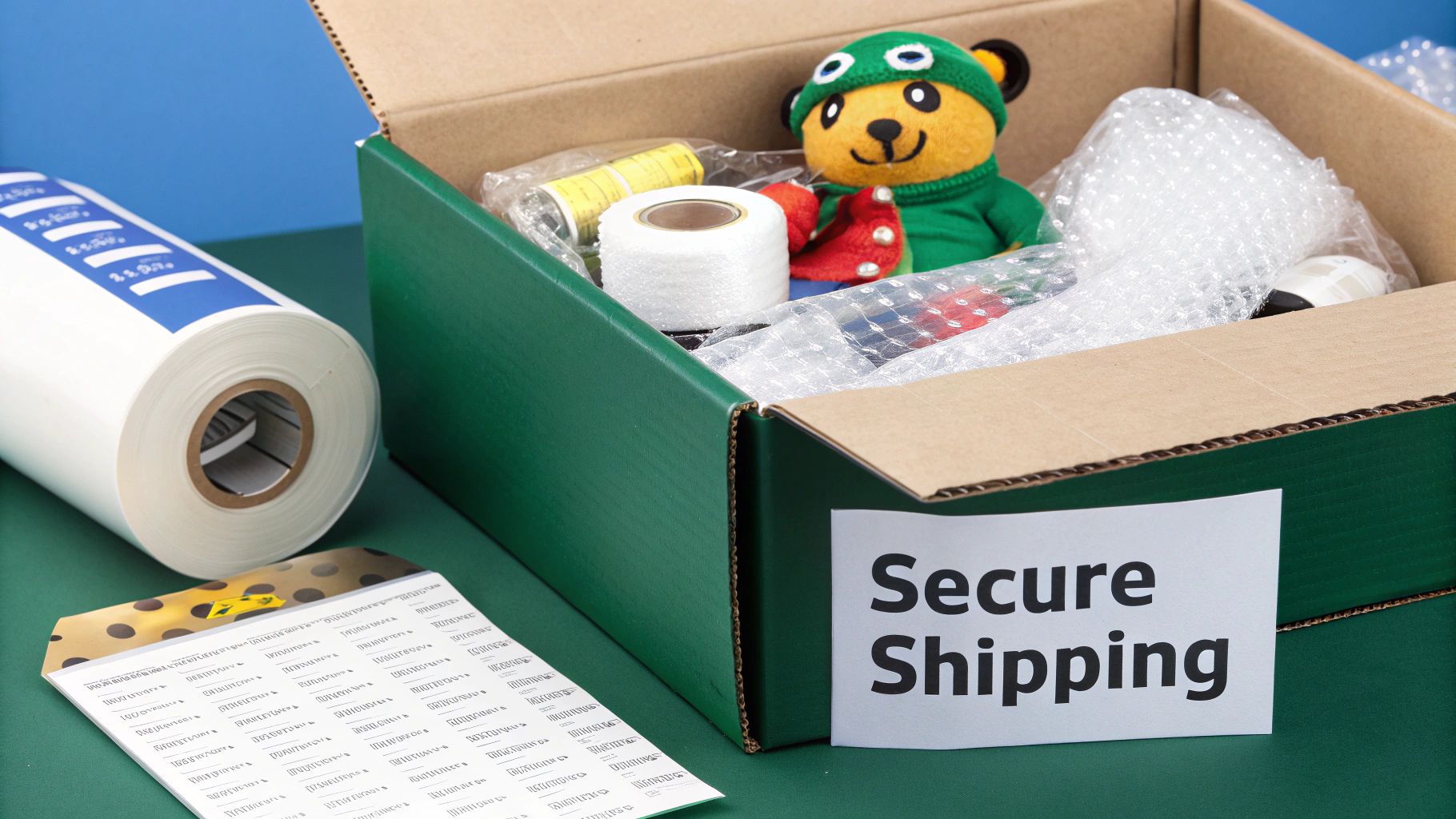
I can't stress this enough: fragile items need careful packaging. You’re trying to create a little fortress inside the box where the toy can't move, no matter what happens on its journey. Rushing this is asking for trouble.
First, get the right materials. You'll need bubble wrap, packing peanuts or other void-fill, good packing tape, and—this is important—a sturdy, new box. Don't reuse that old Amazon box. It's already lost most of its strength.
Here’s the simple method I’ve used for years:
- Wrap It Up: Gently wrap the toy, including its original box, in at least two full layers of bubble wrap. A little tape will keep it from unraveling.
- Create a Cushion: Put a two-inch layer of packing peanuts or crumpled paper on the bottom of the shipping box.
- Center and Fill: Place the wrapped toy right in the middle, then fill every single gap around it with more packing material. You want it snug.
- The Shake Test: Before you tape it shut, give the box a gentle shake. If you feel or hear anything moving, it needs more fill. The item should be completely immobilized.
- Seal and Label: Use packing tape on all the seams and slap the shipping label flat on top.
Navigating Shipping Options and Costs
Choosing a shipping service comes down to a balance of cost, speed, and reliability. For most collectibles, services like USPS Ground Advantage, UPS Ground, or FedEx Home Delivery are solid choices that include tracking.
Tracking is absolutely non-negotiable. It’s your proof that you sent the item and that it was delivered, protecting both you and your buyer. Always upload that tracking number to the marketplace as soon as you have it.
For higher-value items—my rule of thumb is anything over $100—you need to add shipping insurance. It costs very little but gives you total peace of mind. If the package gets lost or damaged, you're not out the money.
Make sure you accurately calculate shipping costs. If you underestimate, that difference comes straight out of your pocket. Use the shipping calculator on the marketplace or the carrier’s website with the package’s final weight and dimensions.
Fostering Excellent Post-Sale Communication
Great service begins the moment the sale is made. Send the buyer a quick message to thank them and let them know your shipping timeline. Follow up with another message containing the tracking number once it's on its way. These little updates build trust and show you’re on top of things.
Sooner or later, you'll run into an issue—a return request, a dispute, something. The key is to handle it calmly and professionally.
- State Your Policy: Have your return policy written clearly in your listing. It sets expectations right from the start.
- Listen to the Buyer: If someone contacts you with a problem, hear them out. A lot of times, the fix is simple.
- Handle Returns Gracefully: If a return is necessary, give clear instructions. As soon as you get the item back in its original condition, issue the refund promptly.
A positive experience can turn a first-time buyer into a loyal customer. If you have more questions about the specifics of the Hess hobby, the Hess Truck Collectors FAQs is a great resource. Building a reputation for great service is one of the best things you can do for your long-term success.
Don't Forget Local and Niche Selling Avenues
While big online marketplaces offer incredible reach, they aren't the only game in town. Sometimes, the easiest and most profitable sales happen right in your own backyard or within dedicated collector communities.
Going local or niche can be a huge advantage. You get immediate cash, skip the shipping fees entirely, and connect directly with buyers who are just as passionate as you are.
It’s a smart move, especially for certain items. If you have bulky collections, common figures you want to unload as a lot, or a hot new release like the latest Hess Toy Truck, local channels are often the fastest way to make a sale. You sidestep all the hassle of packing, shipping, and marketplace fees, which means more money lands directly in your pocket.
Facebook: The Go-To for Local and Niche Sales
Facebook has become a surprisingly powerful tool for sellers, offering two great channels: Marketplace for local deals and specialized Groups for reaching serious collectors.
Facebook Marketplace is basically the world's biggest digital garage sale. It’s perfect for quick, local sales where buyers can meet you for an in-person pickup. This is your best friend when you want to avoid the cost and headache of shipping, particularly for big items or entire collections.
Specialized collector groups, on the other hand, are where the experts hang out. These are tight-knit communities of die-hard fans hunting for specific pieces, whether it's vintage Hess Miniature Trucks or rare Limited Editions. In these groups, you're not just some random seller—you're a fellow collector. That builds instant trust and usually leads to much smoother sales.
The second-hand collectibles market is exploding, projected to jump from USD 151.4 billion in 2025 to USD 248.9 billion by 2034. Platforms like Facebook are a huge part of this, with collector groups boasting over 500,000 members and driving billions in toy sales. Brand new Hess trucks, like the 2023 Hess Police Truck & Cruiser, often resell in these groups for 50-100% over retail price thanks to intense local demand. You can learn more about these toy industry findings from The Toy Association.
Getting Out There: In-Person Selling Venues
Don't forget about the real world! Traditional, face-to-face venues can be a refreshing and surprisingly effective way to sell your collection.
- Toy Conventions and Collector Shows: This is where the most serious buyers congregate. You can rent a table and sell directly to a highly motivated audience that came specifically to find and buy collectibles. It’s a great way to move a lot of inventory in just one weekend.
- Antique Malls and Consignment Shops: If you’d rather take a hands-off approach, these shops can be a solid choice. You rent a booth, set up your toys, and the shop handles the sales for a cut. This works best for vintage toys that might catch the eye of a broader audience of antique hunters.
- Local Toy Stores: Many independent toy shops buy collections, especially if they focus on vintage or collectible items. You might not get the absolute highest price you would from a private collector, but it’s one of the fastest ways to get a cash offer for your entire collection at once.
Ultimately, the right choice depends on your goal. If you need a fast, no-fuss sale, local marketplaces are tough to beat. But if you want to find the perfect new home for a rare piece and maybe fetch a higher price, a specialized collector group or a toy convention is probably your best bet.
At Hess Truck Collectors, we're dedicated to helping you find, trade, and celebrate every piece of the Hess legacy. Whether you're hunting for a classic holiday truck or the latest miniature, explore our collection to find your next treasure. Visit us at https://www.hesstruckcollectors.com.
Powered by the Outrank app